
Maker Shop Plan helps creative people move from scattered inspiration to an organized selling path. Many makers have notebooks full of ideas, half-finished prototypes, and product concepts waiting for attention. That creative abundance is valuable, but it can also become overwhelming. A shop needs decisions. It needs a product line, pricing structure, photo process, listing rhythm, packaging method, and marketing plan. Structure does not make the work less creative. It helps the creativity reach customers. A clear plan gives the maker a way to choose, refine, and launch with more confidence.
Product selection turns possibility into focus. A maker should choose items based on customer appeal, production ease, profit potential, and brand fit. Some ideas are better as future experiments. Others are ready for a first shop collection. A maker product planning process can help separate exciting ideas from sellable ones. This step prevents overwhelm. It also helps the shop open with confidence. A smaller, stronger collection usually performs better than a large, confusing mix of unrelated products.
A repeatable production flow protects both quality and time. Makers should know each step from materials to finished product. They can document supply sources, production time, finishing details, quality checks, and packaging needs. This does not make the work mechanical. It makes the business more reliable. A repeatable flow also helps when orders increase. The maker can estimate timelines more accurately. Customers receive better communication. Stress goes down because fewer decisions need to be remade with every order.
A brand story helps customers connect with the maker behind the products. It can explain the inspiration, materials, values, process, or purpose of the shop. The story should be genuine and concise. Customers do not need a long personal history. They need enough context to feel the work has meaning. A craft brand strategy can help sellers turn personal creativity into customer-facing language. Story supports emotional value. It also helps handmade products stand apart from mass-produced alternatives.
Marketing should not begin after the shop is already quiet. A maker can build interest before opening by sharing process photos, material choices, product previews, studio moments, and behind-the-scenes decisions. This creates familiarity. It also helps potential customers feel involved. The goal is not to post constantly. The goal is to build a small, interested audience before products become available. Early marketing also reveals which items attract attention. Makers can use those signals to improve the first launch.
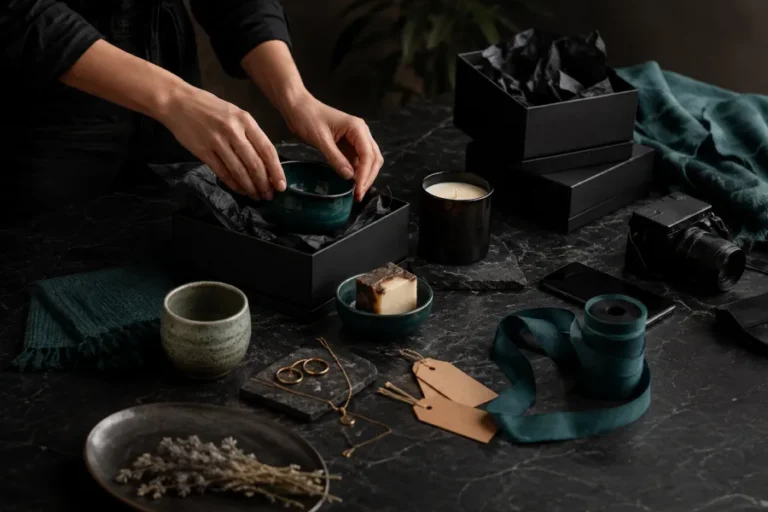
Customer experience includes everything after someone becomes interested. Clear listings, accurate photos, thoughtful packaging, fast responses, and realistic delivery timelines all matter. A beautiful product can still disappoint if the process feels confusing. A handmade selling process helps makers design the full journey before orders arrive. Customers remember ease. They remember care. They remember whether the item felt as special in person as it did online. A strong experience supports reviews and repeat purchases.
Consistent review helps the shop mature. Makers can track which products sell, which receive questions, which photos perform best, and which descriptions need clarification. They can also review production stress and profit. A product may sell well but take too long to make profitably. Another may need better photos before customers understand it. Review helps the maker make calm decisions. The shop becomes stronger through refinement. Creative businesses grow best when inspiration and evidence work together.



Leave a comment