Handmade Ecommerce begins when a maker decides their creative work deserves a structured path to customers. Many makers start with talent, encouragement, and a few early sales. Then the business side becomes confusing. Pricing, product photos, listings, packaging, and promotion all compete for attention. A stronger approach treats the shop like a system. Creativity remains central, but it gains support from planning. A handmade seller needs more than beautiful products. They need clear offers, reliable processes, and customer trust. When structure supports creativity, the shop becomes easier to grow.
Product focus helps customers understand the shop quickly. Makers often create many different items because creativity naturally expands. However, a scattered collection can confuse shoppers. A focused product line feels easier to browse and remember. A handmade shop startup system can help makers choose a clear starting collection. The goal is not to limit creativity forever. It is to create a strong first impression. Customers should know what the shop does best within seconds.
Pricing handmade products requires more than adding material costs. Time, skill, packaging, platform fees, profit, and future growth all matter. Underpricing may create early sales, but it can exhaust the maker quickly. A sustainable shop needs pricing that respects labor. Sellers can calculate base costs, add profit margin, and compare market expectations. They should not compete only on low price. Handmade customers often value story, quality, and uniqueness. Clear pricing helps the business stay healthy. It also helps the maker avoid resentment when orders increase.
Product photography builds trust before a customer reads the description. Shoppers cannot touch handmade items online, so photos must communicate texture, scale, use, and quality. A strong listing usually needs clean product shots, lifestyle images, detail photos, and scale references. A craft business setup plan can help sellers prepare repeatable photo steps. Good photography does not require luxury equipment. It requires light, clarity, consistency, and attention to what customers need to see before buying.
Listings should answer questions before hesitation appears. A customer wants to know size, materials, colors, care details, shipping timelines, customization options, and gift potential. A strong description makes the product feel clear and desirable. It should not only list features. It should show how the item fits into the customer’s life. A handmade candle may create a calmer evening. A knitted scarf may become a thoughtful gift. A ceramic mug may make mornings feel more personal. Better listings reduce uncertainty and support more confident buying decisions.
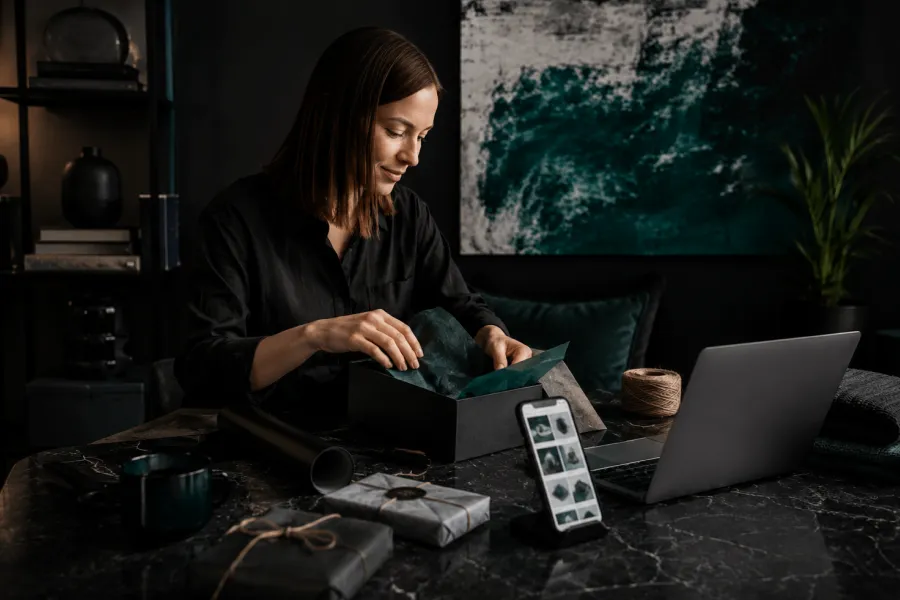
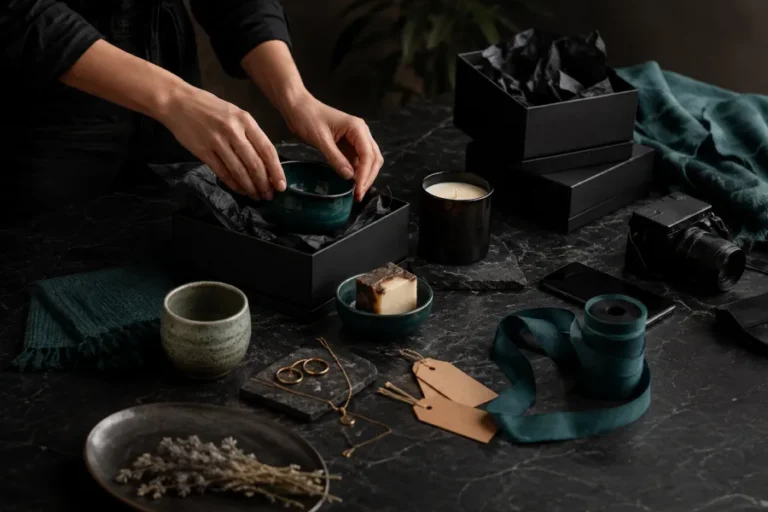
Packaging extends the handmade experience beyond the product page. It does not need to be expensive. It needs to feel thoughtful, secure, and aligned with the brand. A simple card, clean wrapping, protective materials, and consistent presentation can make a strong impression. Packaging also influences reviews and repeat purchases. Customers remember how an order feels when it arrives. A small shop launch plan can help sellers prepare packaging before order volume rises. A clear process prevents rushed fulfillment and protects product quality.
Systems help makers keep creating while managing the business. A seller can create templates for listings, photo sessions, shipping labels, customer messages, and weekly marketing. These systems reduce repeated decision-making. They also make the shop easier to improve over time. Handmade selling should not depend on constant improvisation. A structured workflow protects energy. It gives the maker more room for creativity because the operational pieces have a place. Sustainability comes when the shop can function consistently without draining the person behind it.



Leave a comment