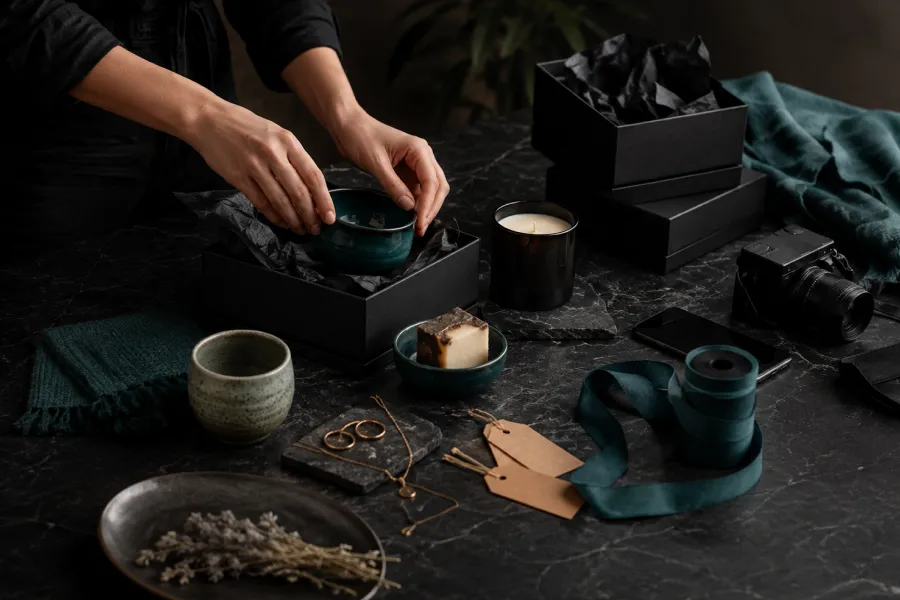
Craft Seller Startup becomes easier when the maker stops trying to launch every idea at once. A new shop needs focus before expansion. Customers should understand what is being sold, who it is for, and why it feels special. Makers often worry that a smaller collection looks less impressive. In reality, a focused collection can look more professional. It helps photography, descriptions, pricing, packaging, and marketing feel connected. A first collection does not need to be huge. It needs to be clear, cohesive, and ready for real customers.
A signature direction gives the shop identity. It might be minimalist jewelry, cozy nursery decor, cheerful party goods, rustic kitchen textiles, or personalized pet accessories. The direction should connect product style with customer desire. A maker business startup approach helps sellers define that direction before creating dozens of unrelated listings. A clear signature makes marketing easier. It also helps customers remember the shop after they leave. Distinctive does not mean complicated. It means recognizable.
Reliability matters in the early stage. A product may be beautiful, but it should also be realistic to make, package, and ship. If every order requires too much custom problem-solving, fulfillment can become stressful quickly. Makers should test production time, material availability, and packaging needs before promoting heavily. Repeatable products create consistency. They also help sellers estimate profit more accurately. A strong first collection balances creativity with practical production. The best product is not only attractive. It is deliverable at the quality customers expect.
Confident pricing protects the business from burnout. New sellers often feel uncomfortable charging enough, especially when friends or early customers compare prices to mass-produced goods. Handmade pricing must account for materials, time, skill, fees, packaging, marketing, and profit. A handmade pricing method can help sellers calculate numbers without emotion taking over. Confidence grows when prices are based on real costs. A maker can explain value more clearly when the pricing structure makes sense.
Listing templates save time and improve consistency. A seller can create a repeatable structure for title, opening benefit, product details, size, materials, care instructions, shipping notes, customization, and gift ideas. This prevents missing important information. It also makes the shop easier to browse. Customers appreciate clarity. They want to know exactly what they are buying. A consistent listing format feels professional and trustworthy. Templates also reduce the mental load of launching new products. The seller can focus on making each product shine within a reliable structure.
Photos shape the first impression. A new seller should plan a simple photo set for each product. This can include a clean main photo, a detail shot, a lifestyle shot, a scale shot, and a packaging preview. Consistent lighting and backgrounds make the shop feel more polished. A creative ecommerce workflow can help makers repeat photo sessions without starting from scratch each time. Better photos reduce buyer uncertainty. They also make the shop more shareable on social platforms.
Feedback turns early sales into better decisions. New sellers can watch which products receive favorites, questions, clicks, messages, and purchases. They can also note which photos or descriptions create confusion. This information helps refine the shop. Early feedback should not feel personal. It is market learning. A seller may discover that one color sells faster, one bundle feels more giftable, or one product needs clearer sizing. Momentum grows when the maker responds to real signals. The first collection becomes stronger because customers help reveal what works.




Leave a comment